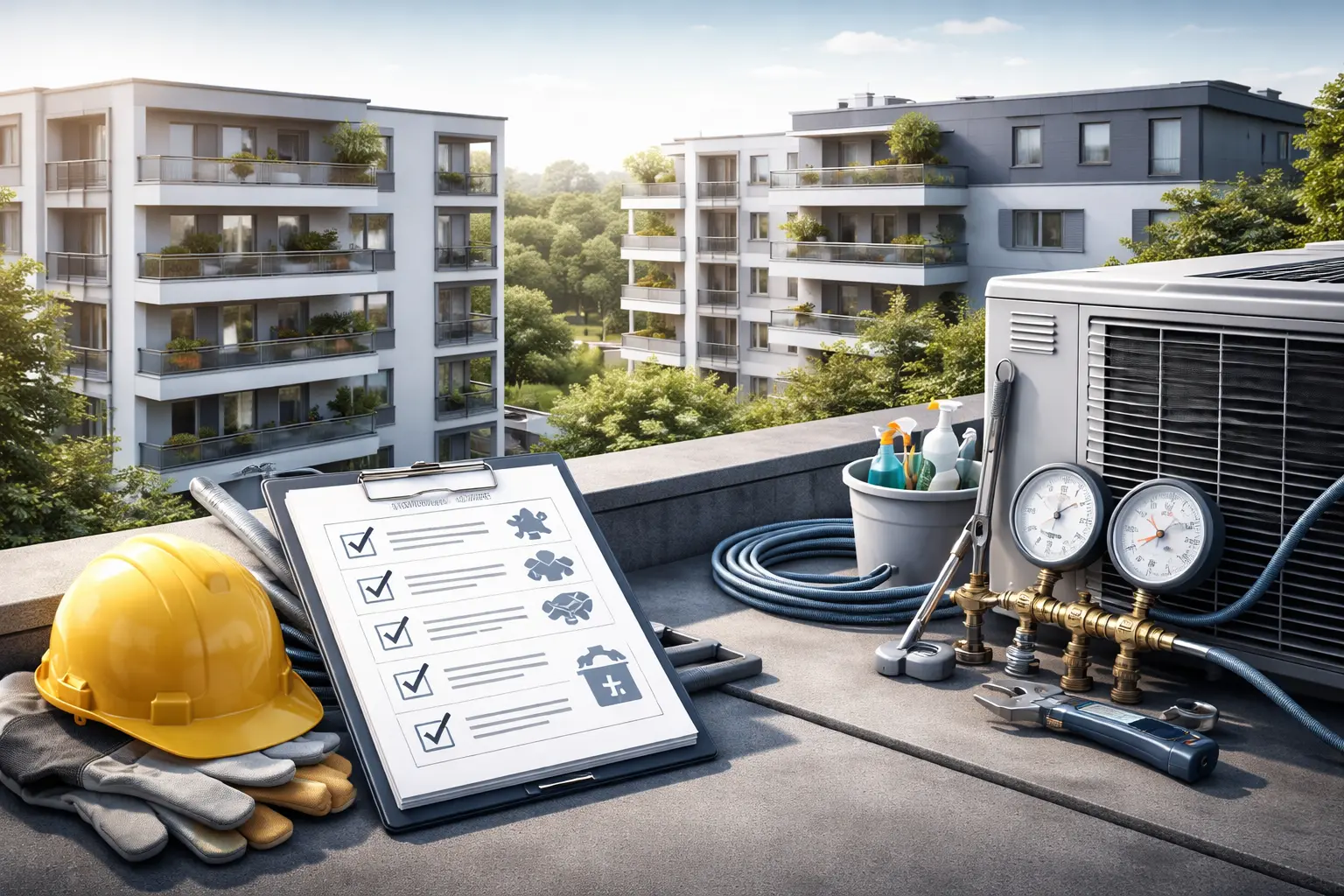
Preventive maintenance of properties is an area that is often overlooked, although it can be of great economic importance. When a building is functioning optimally, no one notices it, but when something goes wrong, it immediately attracts attention. The challenge is that many decision-makers find it difficult to see the value of maintenance efforts that do not result in visible improvements in the short term. The long-term savings and improved life of building parts are easily lost in budgets and reports, creating a need to highlight the value of preventive maintenance.
Preventive maintenance is often invisible because it focuses primarily on maintaining building parts and systems in good condition, thereby reducing the need for urgent maintenance and ensuring optimal longevity. The challenge is that the money spent on this maintenance is not necessarily perceived as valuable — especially in the short term. Many decision-makers end up investing only in visible improvements rather than allocating resources to prevent future problems. The result is that the value and functionality of the building slowly deteriorate, which can lead to unforeseen maintenance works and shortened life of critical building parts such as roofs, facades and engineering installations.
Potential of preventive maintenance:
Investing in preventative maintenance is all about protecting the long-term value of the property and avoiding costly emergency solutions. The economic benefits of prevention are considerable — in fact, a report by the Ministry of Transport, Construction and Housing shows that savings of 4-5 times can be achieved through preventive maintenance.
Preventive maintenance can:
- Extend the service life of building elements: A building that is properly maintained can significantly extend the life of individual building parts. This means that large replacements can be postponed or avoided altogether.
- Reducing urgent repairs: Regular maintenance detects potential problems before they develop into major damage, which requires urgent (and expensive) solutions.
- Optimize energy consumption: Many maintenance tasks, such as optimizing engineering installations and sealing facades, contribute to energy savings, which can ultimately bring economic gains and make the property more attractive on the market.
Despite these obvious advantages, preventive maintenance is still often pushed to the background, which can be a major financial mistake for the long-term operation of the property. This is also called backlog.
Recommendations to make the value visible:
- Quantify savings and life extensions: The first step to making visible the value of preventive maintenance is to document and quantify the long-term economic savings. Make concrete calculations showing the increase in maintenance costs per m² if a building stock is degraded annually. If necessary, draw inspiration from the case of Gains and potentials of focusing on condition and maintenanceLD.
- Implement clear KPIs: Create precise ratios (KPIs) that measure the impact of maintenance efforts. For example, you can measure how many emergency repairs are avoided or how much longer building parts last with preventive maintenance. These KPIs can be used in reports and presentations to demonstrate concrete value.
- Highlight sustainability and regulatory requirements: Sustainability is an important theme for many property decision makers today. Regular maintenance not only ensures the functionality of the property, but also reduces energy consumption and minimizes environmental impact. At the same time, compliance with legal requirements and standards in the field of building operation can provide additional arguments for regular maintenance.
- Use visual tools: Decision makers often respond better to visual presentations. Use before-and-after images or simulated scenarios to illustrate how preventive maintenance can change a building's condition over time. Digital tools can also help demonstrate the impact of maintenance projects.
- Make communication simple and clear: Prepare easy-to-understand reports and presentations that demonstrate the value of maintenance. It is important to avoid technical details that could confuse decision makers without a technical background. Use simple charts, financial analyses and brief conclusions that can be easily conveyed to management.
Preventive maintenance is an investment in the future, but it takes clear and convincing communication to ensure that decision-makers see the value in it. By following these recommendations, you can better visualize the long-term savings, increased longevity and energy improvements that come with a structured maintenance strategy.


Subscribe to our newsletter
Get insights into new features, customer cases, and news from proprty.ai, delivered straight to your inbox.