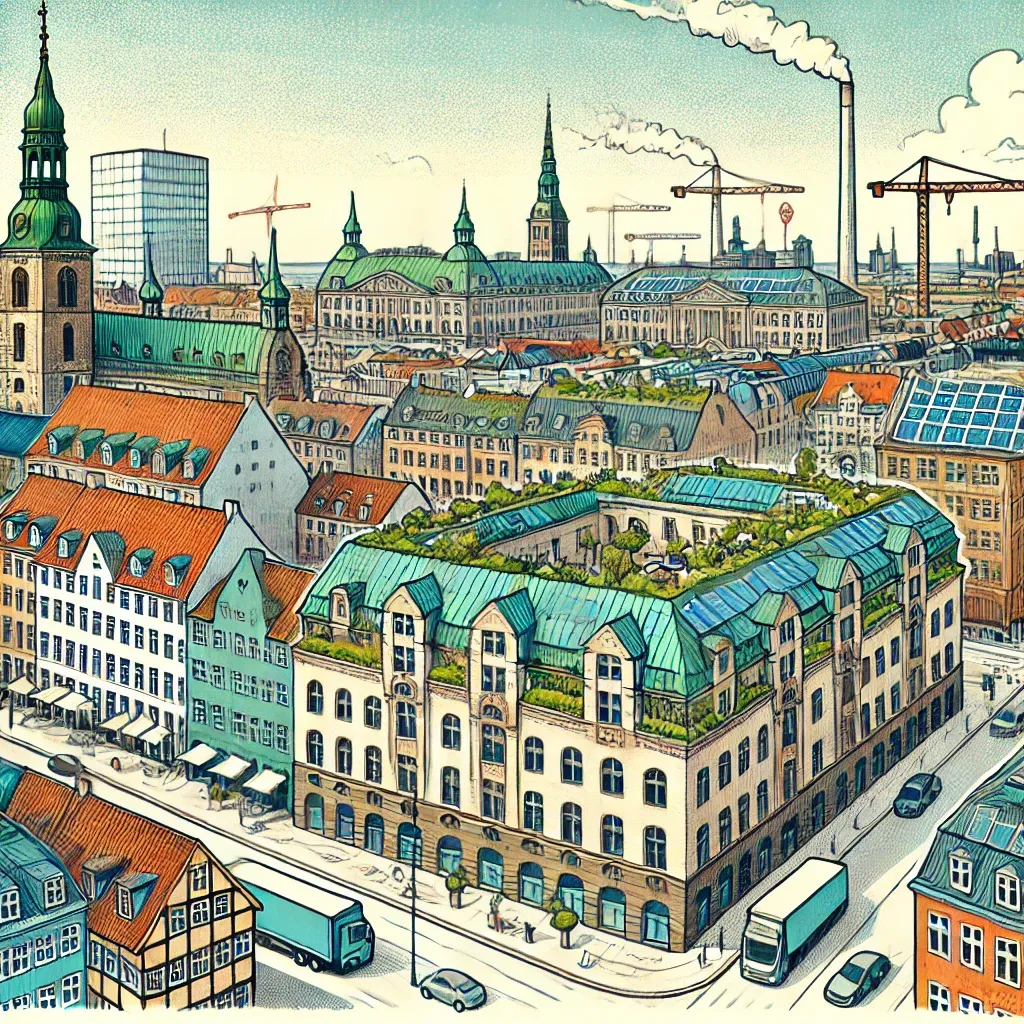
Imagine a world where new construction projects are constrained by a strict CO2 cap. This could mean a complete halt to new construction unless it can be offset through carbon-cutting measures elsewhere. The consequence would not only be a change in the construction industry but also a potential resurgence in the market for renovations. Buildings previously seen as uneconomic to upgrade could now represent valuable investments as they offer a path to continue development under the new carbon restrictions.
Renovating existing properties would not just reduce carbon emissions by avoiding new construction; it would also involve improving buildings' energy efficiency and extending their lifespan. This shift could dramatically alter property values, with locations with older buildings previously deemed less attractive now becoming hotspots for investors and developers.
But what about the properties that can't be renovated within the new rules? Countries such as the UK and Germany warn of the risk of 'stranded assets' — properties that become economically unusable due to their inefficiency and high levels of emissions. Could Denmark also see a surge of these stranded assets, and what would that mean for the property market?
A phoenix will rise from the ashes
The introduction of a CO2 cap in the property industry would undoubtedly provoke big changes. That would require a restructuring of how we think about urban development and real estate investment. In the long term, it could lead to a more sustainable future where we value and upgrade what we already have, instead of constantly expanding with new. This scenario also calls for rethinking and adaptation, not only from developers and investors, but also from governments and society at large. The big challenge -- and opportunity -- lies in how best to navigate this transition to more sustainable practices in the real estate industry.


Subscribe to our newsletter
Get insights into new features, customer cases, and news from proprty.ai, delivered straight to your inbox.